
Knee pain treatment in Sartell, MN
Knee Pain and Everyday Movement
Knee pain can make stairs, squats, walks, or getting up from a chair more difficult. Whether symptoms started during a workout or have gradually become part of your day, understanding the problem is an important first step.
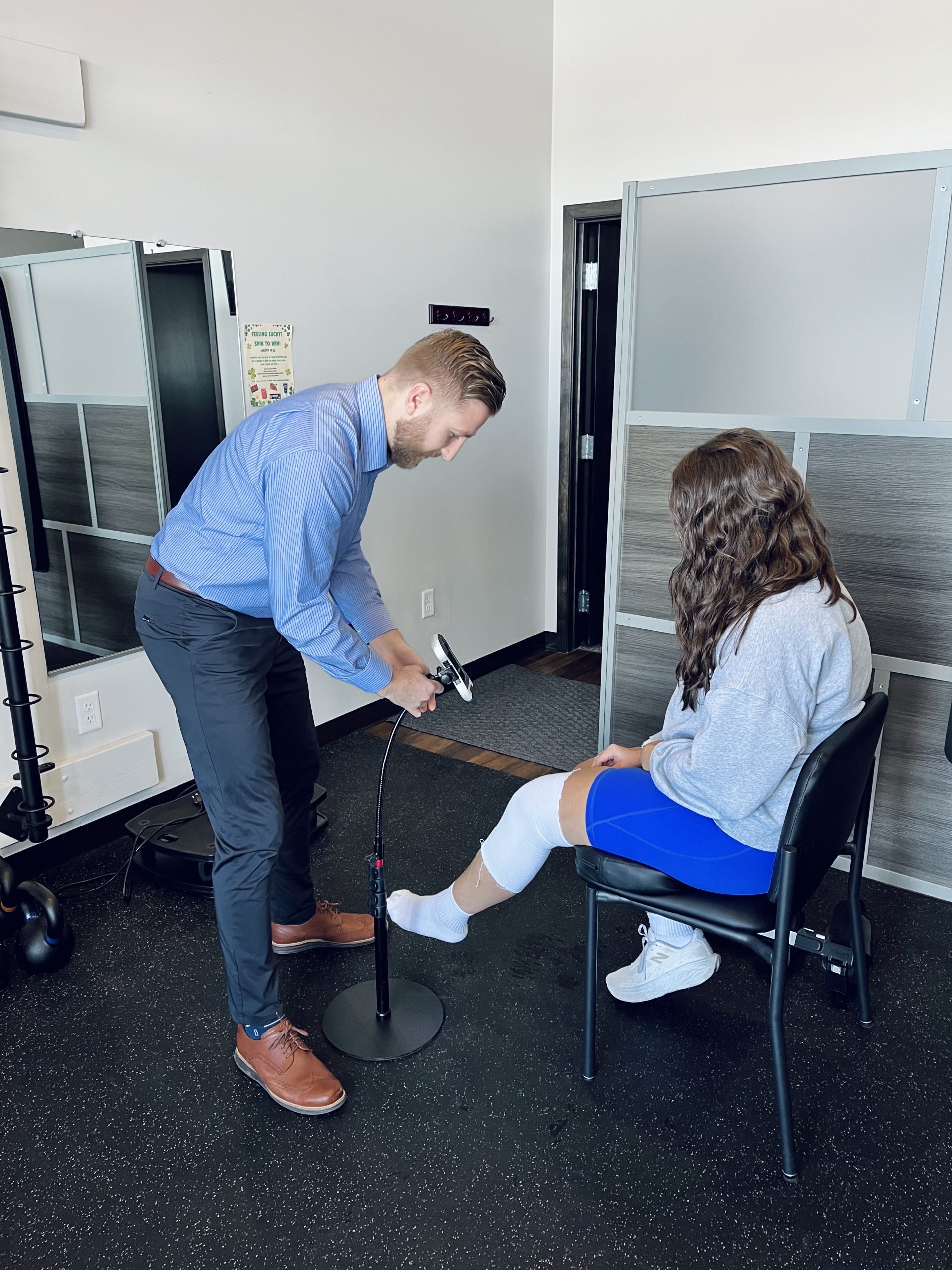
At Good Life Chiropractic in Sartell, Dr. Elijah Johnson evaluates the knee and the movements that affect it. We focus on appropriate conservative care, practical rehab, and knowing when another type of evaluation is needed.
Understanding What Your Knee Is Telling You
Knee discomfort can involve the joint, surrounding muscles and tendons, or an injury needing further attention. Symptoms can overlap, so an assessment matters.
People often seek help for:
- Pain with stairs, squatting, kneeling, or running
- Stiffness after sitting or when first getting moving
- Discomfort that returns with work or exercise
- Tenderness around the front, sides, or back of the knee
- Difficulty trusting the knee during everyday movement
Tell us about swelling, locking, a sense of giving way, or any injury that happened when symptoms began. These details help determine whether medical care should come first.
A Knee Assessment With Movement in Mind
Your visit starts with a discussion of your symptoms, health history, previous injuries, and activity goals. Dr. Eli examines the knee itself, including its movement, strength, tenderness, and relevant joint tests.
We may also assess hip and ankle mobility, balance, and how you walk, squat, or step. These findings help us choose suitable exercises for your knee and the movements around it.
When conservative care is appropriate, your plan may include:
- Functional rehab to build strength and improve control during daily activities
- Mobility exercises suited to your knee, hips, or ankles
- Practical adjustments to training and other aggravating activities
- Soft tissue work for associated muscle tension
- Specific chiropractic care for relevant joint restrictions when appropriate
Active rehab is an important part of the plan. Hands-on care may support movement, depending on your findings and comfort. We explain your exercises and adjust them as your abilities change.
Taking the Next Step Toward More Comfortable Activity
Your goal might be returning to pickleball, managing stairs, or walking more comfortably. We use these everyday priorities to guide care and review progress.
If your symptoms suggest a significant injury, inflammatory condition, or concern outside our scope, we will recommend medical or orthopedic evaluation. We can coordinate with other providers when needed.
Book a consultation with Dr. Eli to discuss your knee concerns and determine whether our approach is a good fit.

FAQs
Why do you assess my hips and ankles if my knee hurts?
The hips and ankles contribute to movements such as walking, climbing stairs, and squatting. Assessing them can help us choose appropriate exercises. The knee still needs its own evaluation; nearby stiffness does not automatically explain the pain.
Does knee clicking mean something is damaged?
Painless clicking is common and does not necessarily need treatment. Clicking with pain, swelling, locking, or giving way deserves assessment. A knee that suddenly locks or cannot support your weight needs prompt medical attention.
Can conservative care help with knee osteoarthritis?
Individualized exercise is a key part of managing knee osteoarthritis and can help with strength, function, and symptoms. Hands-on treatment may be considered alongside exercise. Chiropractic care does not reverse arthritis or regrow cartilage, and some people need additional medical care.
Do I need an X-ray or MRI?
Not everyone with knee pain needs imaging. Your injury history, symptoms, and examination help determine whether it would change the next step. If a fracture, significant internal injury, or another condition is suspected, appropriate medical assessment and imaging may be recommended.
Can I keep running or working out?
That depends on what is causing your symptoms and how the knee responds. Some activities may need temporary changes in intensity, duration, or movement. We can help you plan a gradual return, while a suspected significant injury needs evaluation before continuing training.
When does knee pain need urgent medical care?
Seek urgent medical assessment if you cannot bear weight, your knee is severely swollen or visibly deformed, or it locks after an injury. A hot, red, swollen knee with fever or feeling unwell also needs urgent care. Do not wait for a routine chiropractic visit.